
Keys to Developing Skill, Confidence, and Career Success in Cake Decorating
Updated: Apr 6
In today’s world, learning pastry and cake design has never been more accessible. From culinary and pastry schools to online tutorials, YouTube, and TikTok, aspiring bakers and decorators have countless options. However, not all learning experiences are created equal. Understanding the differences can save you time, money, and frustration.
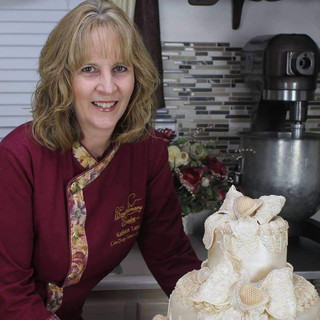
After decades of teaching internationally and working professionally since 1980, I’m often asked: "What’s the best way to learn?" The honest answer? It depends on your goals. But hands-on trade classes remain unmatched for real-world skill building.
The Value of Hands-On Trade Classes
Learning by Doing—With Guidance
Hands-on trade classes offer something no screen or lecture can replicate: real-time instruction, correction, and professional insight. In a live class environment, students:
Work with professional tools, ingredients, and techniques.
Receive immediate feedback and troubleshooting.
Learn why something works—or doesn’t.
Gain confidence through repetition and practice.
Ask questions as challenges arise (not later, alone at home).
Trade classes are particularly beneficial for:
Cake decorators and pastry artists building technical skill.
Cottage bakers and small business owners.
Wedding cake designers and professionals refining their craft.
Students who want efficient, focused learning without years of coursework.
These classes are designed to teach what truly works in production, pricing, structure, design, and time management—skills often learned only through experience.
Culinary & Pastry School: Structure and Foundation
A Traditional Path with Commitment
Culinary and pastry schools provide a broad foundation in classical techniques, kitchen theory, and discipline. They can be an excellent choice for students seeking:
A formal education.
A structured curriculum.
Exposure to many areas of food service.
However, they require a significant investment of time and money. Often, they move at a pace that doesn’t allow deep specialization in cake design or decorative pastry. Many graduates still seek hands-on workshops afterward to refine practical skills and industry-specific techniques.
Online Learning, YouTube & TikTok
Inspiration, Not Mastery
Online platforms are wonderful tools for:
Inspiration and creativity.
Learning trends and styles.
Quick tips or ideas.
However, they also have certain limitations:
No personalized feedback.
No correction of technique.
Incomplete or oversimplified instruction.
Often focused on speed or visuals, not structure and longevity.
Watching someone decorate a cake is very different from understanding why it collapsed, cracked, or failed during delivery. Online content should support learning—not replace foundational, hands-on education.
The Value of Experience Remains Important
There Is No Substitute for Time, Practice, and Mentorship
Experience teaches what shortcuts cannot:
How to fix mistakes.
How to work efficiently under pressure.
How to design for real clients, real venues, and real timelines.
How to price, plan, and produce consistently.
That’s why hands-on instruction guided by an experienced professional bridges the gap between theory and real-world success.
Choosing the Right Path
Most successful professionals use a blend of learning styles:
Hands-on trade classes for mastery and confidence.
Online resources for inspiration and trends.
Continued practice and experience to refine their craft.
Whether you are just beginning, returning to pastry later in life, or refining professional skills, intentional hands-on education can accelerate your growth in ways nothing else can.
Learn With Purpose
At Kathleen Lange Confectionary Chalet, classes are designed to share decades of professional experience in a supportive, hands-on environment—helping students avoid costly mistakes and build skills that last. Because beautiful desserts should be more than just watched. They should be created, practiced, and perfected.
The Joy of Cake Decorating
Cake decorating is not just a skill; it’s an art form. Each cake tells a story, and every decorator has a unique voice. Embracing this creativity can lead to incredible satisfaction and joy. As you embark on your cake decorating journey, remember that every mistake is a learning opportunity.
Building a Community
One of the most rewarding aspects of cake decorating is the community. Whether you’re in a class or online, connecting with fellow decorators can inspire and motivate you. Share your experiences, seek advice, and celebrate each other’s successes. Together, we can elevate our craft and create stunning works of art.
The Future of Cake Design
The world of cake design is ever-evolving. New trends emerge, and techniques are refined. Staying updated is crucial. Attend workshops, follow industry leaders, and never stop learning. This commitment to growth will set you apart in a competitive field.
Final Thoughts
In conclusion, the journey of becoming a skilled cake decorator is filled with challenges and rewards. By choosing the right learning path, embracing hands-on experiences, and connecting with others, you can achieve your goals. Remember, every cake you create is a step toward mastery. Let’s make beautiful memories together through the art of cake decorating!
Comments